
Table of Contents
-
Clarifying Roles and Surveying the Site
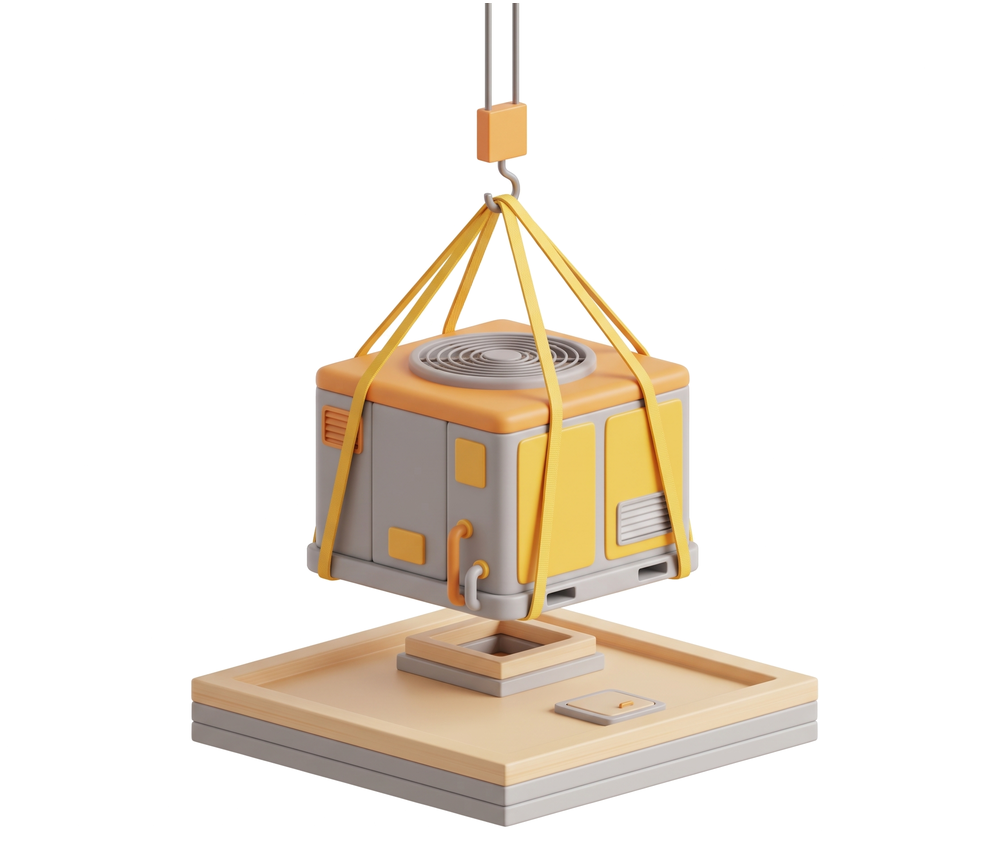
Replacing a commercial HVAC unit is a massive job, and things can fall behind schedule before the old equipment even leaves the roof. This can range from something as simple as replacement is ready, or even larger concerns such as the unit not fitting properly. Minor hiccups like these cause costly equipment downtime and extend heating or cooling outages for everyone in the building.
For facility managers, in most cases, a smooth swap simply comes down to early collaboration. Bringing your mechanical contractor and rigging team together during early planning ensures everyone works off accurate equipment specs, the site is properly prepared, and every stage of the lift is clearly owned.
This coordination applies to all unit types, rooftop packages, chillers, and cooling towers alike. The process needs to start long before the shutdown date and stay active through initial system startup.
Contact Sullivan Industrial Services for Any of Your Industrial Rigging Needs in CT, MA, RI, or NY
Clarifying Roles and Surveying the Site
Before setting a replacement date in stone, map out who is responsible for what. The mechanical team, rigging crew, crane operator, and facility representatives all need to know where their responsibilities begin and end.

Define Each Contractor’s Scope
1. Mechanical Contractor: Handles equipment requirements, mechanical disconnections, final positioning, piping/duct reconnection, and system startup.
2. Rigging & Crane Team: Takes charge of lifting plans, rigging safety, equipment maneuvering, and crane operation.
3. Supporting Trades: Electricians, controls technicians, roofers, and structural engineers often need to weigh in as well, make sure their schedules line up before crane day.
Put these responsibilities in writing. Clearly cover delivery logistics, site permits, old equipment disposal, roof protection, and tenant/occupant notices. Designate one main point person to coordinate schedule changes and handle questions between teams.
Check Equipment Details and Access
Lifting crews need accurate specs for both the existing system and the new unit—including actual dimensions, verified weights, approved lift points, and manufacturer instructions. Keep in mind that cooling capacity (measured in “tons”) doesn’t equal physical weight.
Custom modifications or added accessories on older units can throw off handling and weight balances. Always refer back to official manufacturer documentation; Trane’s chiller guidelines, for example, advise contractors to consult equipment manuals for exact shipping weights and center-of-gravity details.
Schedule a joint walk-through on site to map out:
1. Delivery routes and staging zones.
2. Crane placement and overhead clear paths.
3. Underground utilities or subsurface structures that could affect crane stability (making sure you comply with OSHA crane ground-condition standards).
4. Roof curb fit, structural support, duct alignment, and maintenance clearances. Replacement units with matching capacity ratings often have different physical footprints or hookup layouts.
Plant Relocation and Reorganization Guide
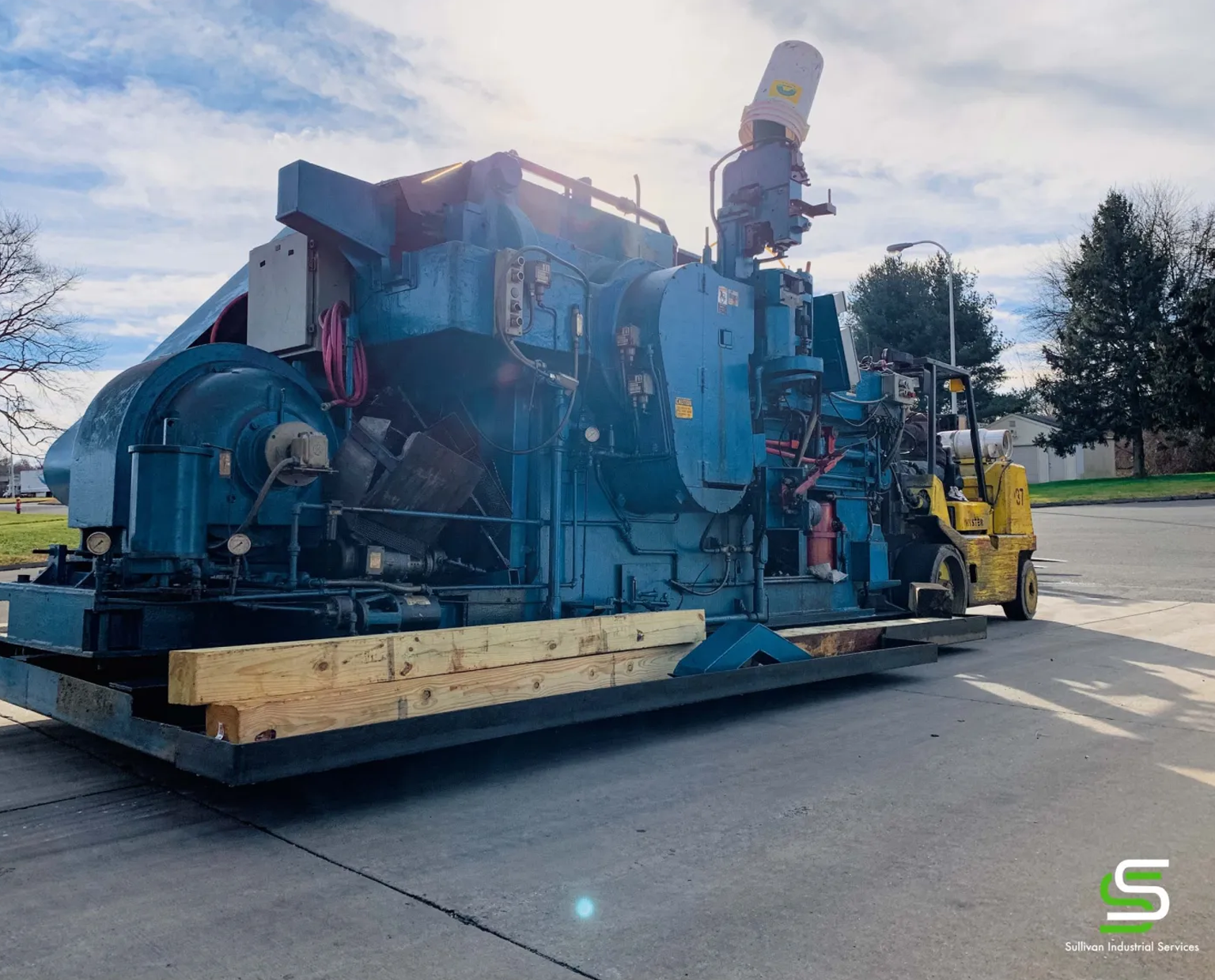
For one reason or another, you may find it more beneficial to relocate your plant. An endeavor easier said than done. There is a lot that goes into relocating and reorganizing a plant or shop. You have to consider your employees, equipment, budget, productivity, etc.
Managing the HVAC Outage
The crane reservation is only one part of the overall timeline. A building will often remain without heating or cooling during pre-lift disconnections, curb work, and post-lift reconnections. Keeping that outage brief requires lining up every trade in advance.
Protect Building Operations
Discuss which areas and activities the outage will affect. An office may accommodate an evening shutdown, while a production facility or temperature-sensitive space may require phased work or temporary conditioning.
Facility managers should communicate the expected outage, access restrictions, and changes to normal operations. Occupants also need to know whom to contact if conditions interfere with their work.
Preserve emergency access and coordinate parking or entrance closures with deliveries and lifting operations. A workable schedule accounts for everyone using the property.
Establish a Weather Contingency
Connecticut and Northeast projects need flexibility for wind, snow, ice, and changing ground conditions. OSHA’s crane-operation requirements address the effects of wind, ice, and snow on equipment stability and capacity.
The lifting professionals should determine whether conditions allow work to proceed. Before the shutdown, agree on how postponement decisions will be communicated and what happens if weather changes after removal begins.
Assign responsibility for protecting exposed openings and securing equipment during an interruption. Where practical, preserve the option to keep the existing system operating until the replacement can proceed.

Confirm Readiness Before Removing Equipment
A final readiness review helps prevent crews from discovering unfinished preparation while lifting equipment is waiting onsite. Each responsible trade should confirm that its work is complete and that the next stage can proceed.
Before replacement day, locate the existing unit’s disconnects and shutoff valves with the mechanical contractor. In its rooftop-unit guidance, Blizzard Mechanical recommends verifying that “your emergency electrical disconnects and fuel/water shut-offs are clearly marked and accessible.”
Include those locations in the site walkthrough so the responsible trades can plan isolation and disconnection before the rigging crew begins removal.
The existing unit must be appropriately isolated and disconnected by the responsible personnel. Depending on the system, that can involve electricity, gas, water piping, ductwork, drains, controls, and refrigerant connections.
Refrigerant handling should follow the equipment’s removal and disposal requirements. The EPA’s disposal guidance explains recovery obligations for equipment dismantled onsite. Moving a sealed unit and dismantling a refrigeration system involve different planning considerations.
Coordinate the Lift-Day Handoffs
Start with a joint briefing that confirms the work sequence, communication arrangements, restricted areas, and readiness of each team.
The mechanical team should confirm readiness for removal before the rigging crew proceeds. The lifting team then handles removal and placement according to its plan. Following placement, the appropriate personnel verify positioning, support, and securing requirements before lifting equipment is released.
Coordinate the old equipment’s loading and departure with the replacement’s arrival. Limited staging space can make that sequence especially important at occupied commercial properties.
The plan should also address unexpected findings. If removal exposes damaged supports or a deteriorated curb, the teams need a clear decision process for repairs, schedule changes, and temporary protection.
Complete Reconnection and Verify Performance
Once the replacement is positioned, the remaining trades need sufficient time to finish their work. Mechanical, electrical, drainage, and controls connections must be completed before the system can undergo startup and operating checks.
Avoid promising normal building conditions as soon as the crane leaves. Equipment placement is a milestone, and the owner’s schedule should include the work required to return the system to service.
Check the System and Complete the Handover
The mechanical contractor should coordinate manufacturer startup procedures and the checks appropriate to the equipment. These may include leak checks, airflow or water-flow verification, and testing heating and cooling operation.
Where the equipment connects to building automation, verify operating schedules, control commands, and relevant alarms. Confirm that the facility team understands how the replacement will operate within the existing building systems.
Before closing the project, provide the owner with equipment documentation, startup records, warranty information, and maintenance requirements. Identify who will address outstanding items and who confirms the system is ready for normal use.
Why Choose Sullivan Industrial Services?

Expertise in Custom Crating
At Sullivan Industrial Services, we boast a team of experienced professionals specializing in custom crating solutions. We understand that one-size-fits-all doesn’t apply when protecting your valuable items. We will carefully assess your needs and design custom crates to ensure optimal protection during transport.
Industrial Crating – A Complete Guide
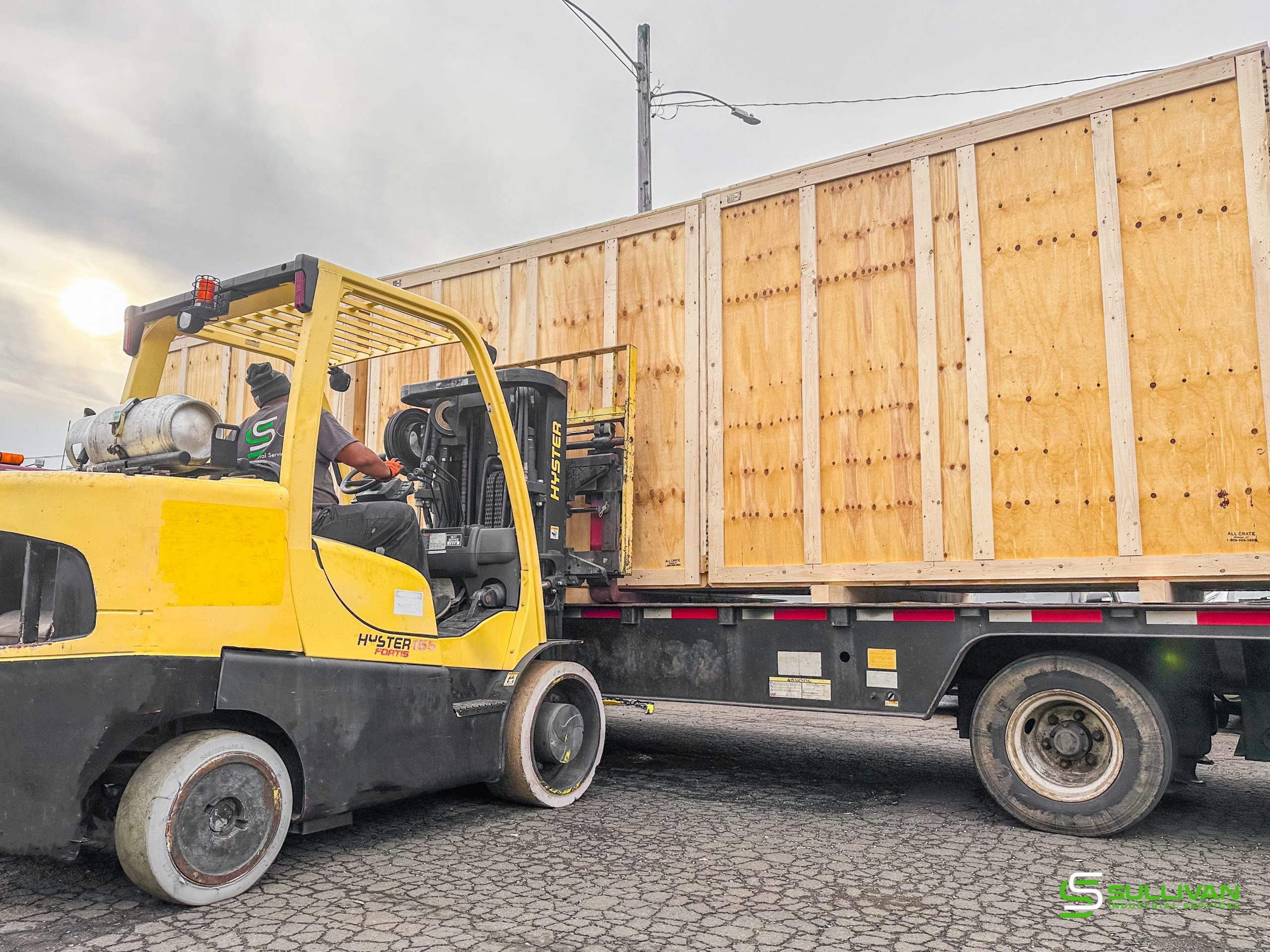
Crating is a way in which products are packaged in order to be shipped and stored. In other words, a product is placed in a crate so it can remain secure and protected during transit.
Comprehensive Services for Secure Transport
Sullivan Industrial Services goes beyond just creating crates. We provide a comprehensive service package that includes:
- On-site Crating
- Packing and Dunnage
- Transportation Coordination
- Installation Services
Making the Right Choice for Your Crating Needs
Protecting your valuables during transport is crucial whether you’re moving across town or the country. Now that you understand the limitations of self-crating and the advantages of professional services, it’s time to make an informed decision.
The Sullivan Industrial Services Advantage
At Sullivan Industrial Services, we offer a compelling advantage over other crating companies:
- Unmatched Expertise
- Comprehensive Solutions
- Commitment to Quality
- Peace of Mind
Frequently Asked Questions
Where can you find free or cheap empty shipping crates?
Local businesses and recycling centers are often the best places to search for free/cheap shipping crates. Especially businesses that receive larger items like furniture and appliance stores.
What are the risks of using secondhand crates for machinery?
While cost-effective, using secondhand crates can introduce extra risk as the structural aspects of a used crate can be weakened with potentially a compromised moisture barrier/other important features of crate transportation.
How do custom wooden crates protect fragile industrial equipment?
Custom crates provide a snug fit for industrial equipment surrounded by padding to prevent shifting and vibration damages. Moisture barriers prevent excess water vapor from penetrating the equipment inside.
When should you hire professional crating services over DIY?
Bringing in professional crating services is great when shipping high-value, fragile equipment that requires additional care and experience to ship safely.
What packaging materials are used inside custom industrial crates?
Depending on what exactly is being moved, foam inserts and additional support bracing are often inside custom industrial crates. Additionally, vapor barrier bags and anti-static wrapping are often inside as well, depending on how sensitive the equipment is.
Contact Us Before You Crate
Don’t risk damage to your valuables with inadequate crating solutions. Contact Sullivan Industrial Services today for a free consultation to discuss your needs. Our team of experts will create a customized crating plan to ensure your items arrive safely and securely at our destination.
Recent Comments